

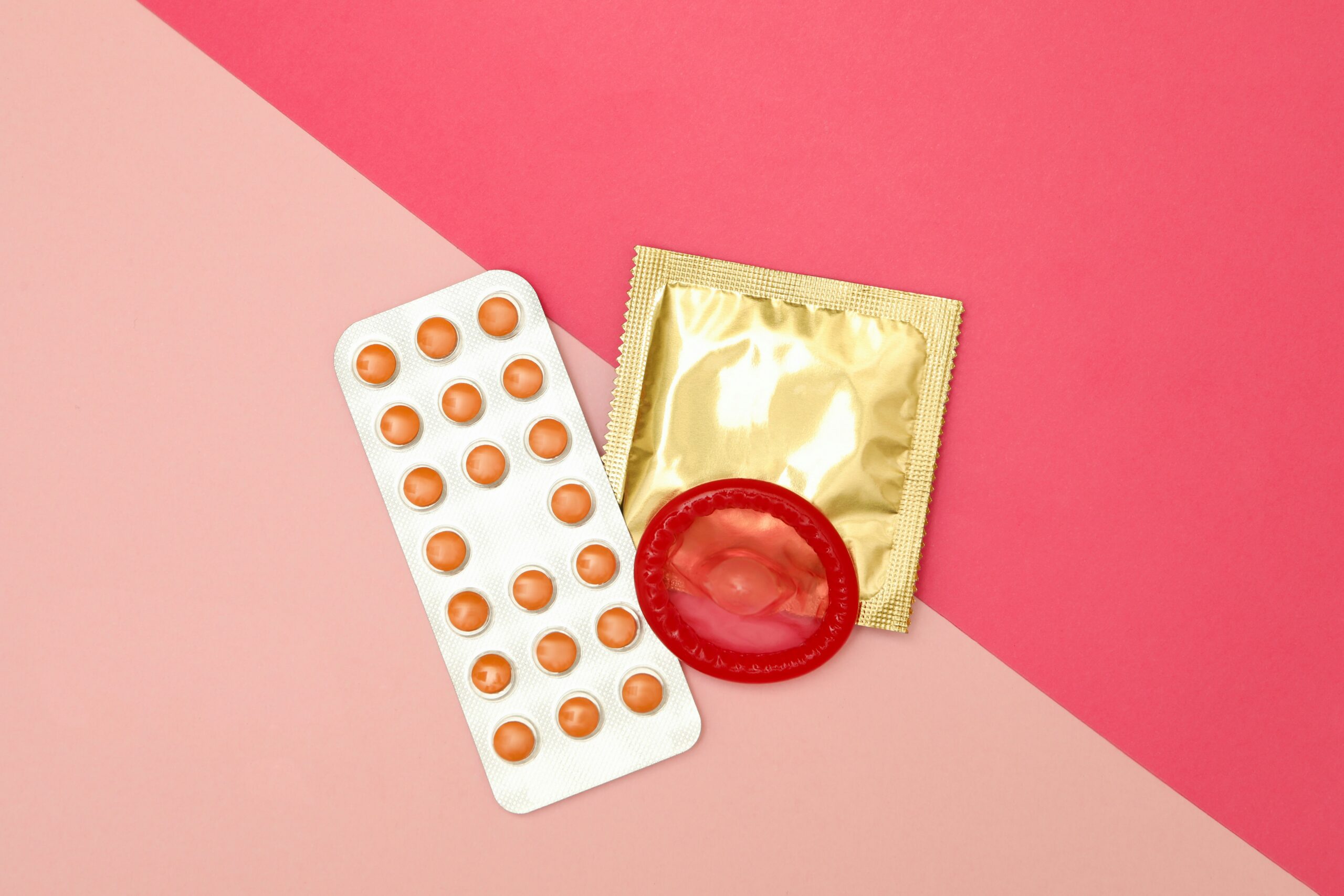
How Safe Is “Safe Sex”?
We hear about practical steps and contraceptives we can take for “safe sex,” but how safe is “safe sex?” While contraceptives do help lower the rate of pregnancy, the CDC states that “no protective method is 100% effective, and none can guarantee absolute protection against any STI or pregnancy.” (http://www.cdc.gov/healthyyouth/sexualbehaviors/) The phrase ‘safe sex’ can create the impression that certain behaviors are risk-free. In reality, contraceptives and barrier methods reduce risk but do not eliminate it completely.
What Birth Control Methods Are Most Commonly Used?
The more common birth control methods in the US include:
• Condoms
• Oral contraceptives
• Long-acting Reversible Contraceptives (LARCs) specifically Implants and IUDs
(https://www.cdc.gov/nchs/products/databriefs/db539.htm)
How Effective Are Condoms at Preventing STIs and Pregnancy?
Based on typical use, condoms have an 13% failure rate for preventing pregnancy. Condoms reduce the risk of many STIs, including chlamydia, gonorrhea, HIV, and syphilis, but they provide less protection against infections that can spread through skin-to-skin contact, such as herpes, HPV (genital warts), and some cases of syphilis.
(https://www.cdc.gov/contraception/about/index.html)
Are There Side Effects with Hormonal Contraceptives?
Like all medications, hormonal contraceptives can have side effects.
Common side effects may include:
• Nausea
• Headaches
• Mood changes
• Irregular bleeding
• Weight gain
More serious complications, such as blood clots, are less common but can occur.
(https://www.fda.gov/media/150299/download)
Do Birth Control Pills and Hormonal Implants Prevent STIs?
While oral contraceptives and hormonal implants are very effective at preventing pregnancy, they do not protect against STIs.
Based on typical use:
• Oral contraceptives have an estimated 7% failure rate for preventing pregnancy
• LARCs (implants and IUDs) have an estimated 0.4% failure rate for preventing pregnancy
(https://www.cdc.gov/contraception/about/index.html)
How Common Are STIs?
There are estimated to be around 26 million new STI cases each year, 50% of those cases being among people aged 15-24. (https://www.cdc.gov/media/releases/2021/po125-sexually-transmitted-infection.html)
What Is the Safest Way to Avoid STIs?
The CDC states “the most reliable way to avoid transmission of STDs is to abstain from oral, vaginal, and anal sex or to be in a long-term mutual monogamous relationship with a partner known to be uninfected. Many STIs can be spread through skin-to-skin contact, not just sexual intercourse.” (https://www.cdc.gov/mmwr/preview/mmwrhtml/rr6403al.htm)
STI Testing and Treatment
If you’ve had a positive pregnancy test, STI testing may provide you with helpful information concerning your pregnancy and reproductive health. The Well offers free STI testing and treatment to patients with a positive pregnancy test and their partner. Contact us to learn more.